


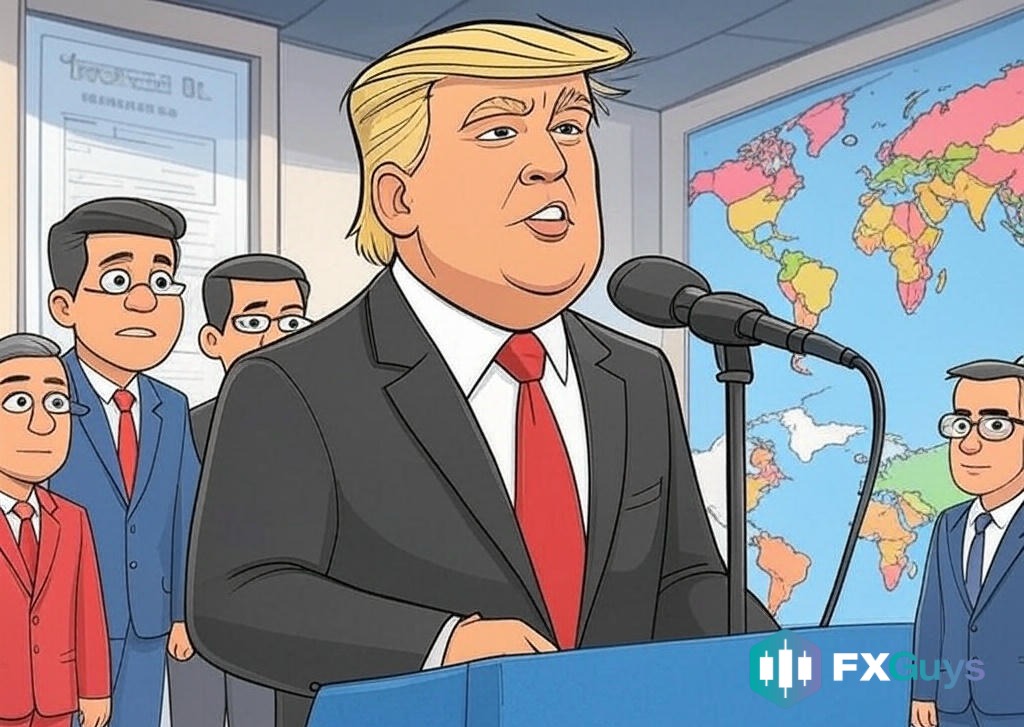

Trump has set a 125% tariff on Chinese imports. This step aims to push China toward fair trade. It tackles currency manipulation and trade barriers. These issues harm U.S. businesses. Trump also eased tariffs for over 75 countries. They haven’t fought U.S. trade moves. These nations get a 10% tariff for 90 days hinting at future talks. Economists warn prices may rise for U.S. buyers. Markets turned shaky after the news.

Comprehensive Tariff Impact and Global Trade Consequences
The tariff is expected to significantly raise costs for American consumers, with analysts projecting an additional $1,200 annual cost per household due to higher prices on imported goods. The 125% tariff covers a lot of Chinese items. These include electronics, clothes, machines, and chemicals. Trump’s team says it fights China’s unfair trade habits. Those habits involve stealing ideas and taxing U.S. goods heavily. Trump claims tariffs shield U.S. jobs and firms from foreign competition. Countries like Japan, South Korea, and parts of Europe get a 10% tariff if they avoid opposing U.S. moves. This pushes them to cut trade barriers and strike deals which might shift global trade soon.
Economic Consequences: Cost Increases and Market Volatility
The tariffs bring clear economic impacts. Experts predict U.S. families could pay $1,200 more each year. This comes from pricier imported goods. Such tariffs impact lower-income families most. Financial markets reacted negatively. The S&P 500 index dropped 2.3% initially. The Dow fell over 600 points after the announcement. Investors fear China will tax U.S. exports like soybeans and energy. This might disrupt supply chains and global trade further.
Trump’s Protectionist Strategy Under Scrutiny
This tariff aligns with Trump’s goal to guard U.S. industries and shrink the trade gap. In his first term, he taxed steel, aluminum, and Chinese products. He said this would lift U.S. manufacturing. Some industries grew, but costs climbed for consumers and firms. Critics say new tariffs could cut jobs in sectors relying on imports. Supply chains might weaken too. A drawn-out trade war with China could rattle the global economy, alarming many countries.
Future Outlook: Negotiation or Escalation?
Trump’s team stands firm with these tariffs, but the 90-day relief for some nations suggests talks are possible. Tariffs might ease if agreements form. Yet China plans to hit U.S. goods with taxes and won’t yield. This risks a larger trade clash. The next few months will reveal if Trump’s tough stance brings deals or deeper economic woes. For now, U.S. consumers face rising costs, and firms brace for supply troubles.
Market Reaction and Stock Performance
Markets jolted after the tariff news. The SPDR S&P 500 ETF (SPY) started at $493.44. It peaked at $537.56 and ended at $536.61. That’s an 8.08% jump, or $40.13. It dipped to $485.62 before recovering. The year’s high is $613.23, and the low is $481.80. These swings show investor doubt. They’re anxious about tariffs’ lasting impact on U.S. firms and the global economy.
Conclusion
Trump’s 125% tariff on Chinese goods signals a major U.S. trade policy change. It alters prices, markets, and world relations. Talks continue, but the path ahead is uncertain. It might lead to deals or a collapse. The stakes are big for U.S. consumers, companies, and global trade. The coming weeks will show if this daring step succeeds or sparks bigger economic issues for everyone.


